

Why Players Use Rust Cheats – Understanding the Cheating Problem

Why Players Use Rust Cheats – Understanding the Cheating Problem
Rust has a way of making every mistake feel expensive.
In most multiplayer shooters, dying is annoying, but the consequences are usually temporary. You wait a few seconds, respawn and try again. Rust does not work like that. The weapon you lost may have taken an hour to craft. The resources in your inventory may have come from a long farming run. The base that just got raided could represent several evenings of work.
That changes the mood of the game completely.
Players are not only protecting a score or a win-loss record. They are protecting their time. When someone loses a fight in Rust, it can feel as though part of their entire wipe disappeared with it.
This is one reason cheating becomes such a constant topic in the community. The pressure is higher, the losses feel more personal and suspicious encounters are much harder to forget.
So why do some players use Rust cheats? There is no single answer. For one person, it might be frustration. For another, it may be the desire to compete with a group that has far more experience. Some are chasing status, while others simply hate the uncertainty that makes Rust what it is.
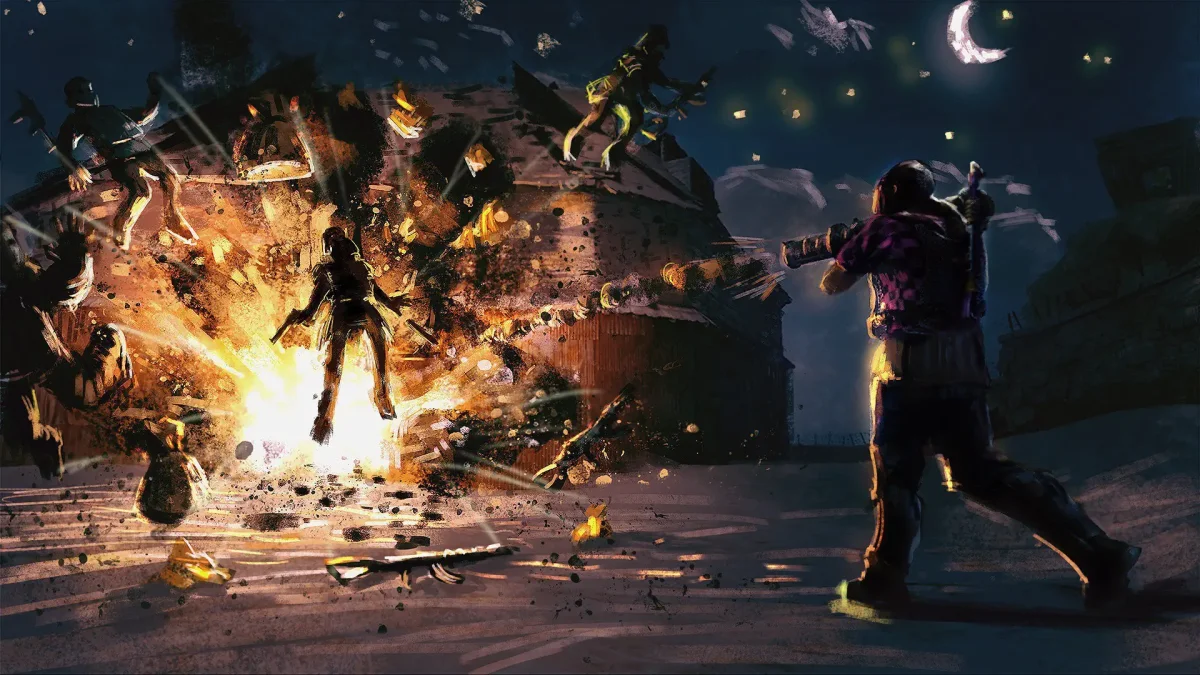
Why Do Players Use Rust Cheats?
The simplest answer is that they want the benefits of experience without going through the process of earning that experience.
Rust asks a lot from its players. You need mechanical skill, map awareness, patience, knowledge of monuments, an understanding of base design and the ability to stay calm when everything goes wrong.
Those skills take time.
A player who does not want to spend hundreds of hours learning the game may look for a shortcut instead. Cheats can appear to solve several problems at once. They may make fights feel easier, reduce uncertainty or help someone progress faster than they normally would.
That does not mean every cheater has exactly the same motivation. In fact, many of them probably begin for very different reasons.
Rust Makes Losing Feel Personal
A normal competitive game has a clear beginning and end. When the match finishes, everyone starts again from roughly the same position.
Rust is different because the match never truly resets until the wipe does.
A bad fight in the morning can affect what your group is able to do that evening. Losing a raid can delay progression for an entire day. If another group takes control of the closest monument, you may be forced to change how you play for the rest of the wipe.
This creates a kind of pressure that does not exist in most shooters.
You are not only asking:
"Can I win this fight?"
You are also thinking:
- What am I carrying?
- How long will it take to replace?
- What happens if they follow me home?
- Will they know where my base is?
That fear makes every encounter feel larger than it really is. For some players, the temptation to remove that uncertainty becomes difficult to ignore.
Fear of Losing Gear
Gear fear is common even among legitimate players.
You craft a strong kit, leave the base and immediately begin imagining all the ways you could lose it. Maybe someone is camping the road. Maybe a group is holding the monument. Maybe a player is waiting outside your base after hearing the door.
Rust encourages this kind of thinking because danger can come from almost anywhere.
Some players respond by becoming more careful. They learn safer routes, improve their awareness and become better at deciding when a fight is worth taking.
Others want a stronger sense of security.
For those players, the attraction is not always about becoming unstoppable. Sometimes they simply want to feel less exposed. They want to know what is around them before committing to a farming run, monument or raid.
The fear of losing progress can be just as powerful as the desire to win.
Skipping the Learning Curve
Rust can be brutal for new players.
Someone may watch an experienced player move through a monument, predict an enemy rotation or recognize a weak point in a base and assume it all looks easy.
What they do not see are the thousands of small lessons behind those decisions.
Experienced players know which areas are commonly camped. They notice sounds that newer players ignore. They understand how long it usually takes someone to return after dying. They know when a base is probably active and when a farming route is likely to be dangerous.
None of this knowledge appears overnight.
A newer player can spend hundreds of hours feeling one step behind everyone else. They may lose fights without understanding what happened or walk into situations that an experienced player would have avoided entirely.
For some people, that gap feels less like a challenge and more like a wall.
Cheating can then look like a way to skip the uncomfortable beginner stage and move directly into the part of the game where they feel powerful.
Playing Against Veterans
Rust has been around long enough that many servers are filled with players who know the game extremely well.
A person with fifty hours can end up fighting someone with five thousand.
That is an enormous difference.
The veteran player may have better aim, but the bigger advantage is often everything happening around the aim. They know when to push, when to wait and how to read the way an opponent moves. They can often predict where a player will run before that player has decided.
To someone new, this can look almost unfair.
After enough losses, a player may begin to think they will never catch up naturally. Instead of seeing experience as something they can build over time, they see it as an advantage they need to cancel out immediately.
That is when shortcuts become more appealing.
Why Players Use Rust Cheats – Understanding the Cheating Problem
Rust has a way of making every mistake feel expensive.
In most multiplayer shooters, dying is annoying, but the consequences are usually temporary. You wait a few seconds, respawn and try again. Rust does not work like that. The weapon you lost may have taken an hour to craft. The resources in your inventory may have come from a long farming run. The base that just got raided could represent several evenings of work.
That changes the mood of the game completely.
Players are not only protecting a score or a win-loss record. They are protecting their time. When someone loses a fight in Rust, it can feel as though part of their entire wipe disappeared with it.
This is one reason cheating becomes such a constant topic in the community. The pressure is higher, the losses feel more personal and suspicious encounters are much harder to forget.
So why do some players use Rust cheats? There is no single answer. For one person, it might be frustration. For another, it may be the desire to compete with a group that has far more experience. Some are chasing status, while others simply hate the uncertainty that makes Rust what it is.
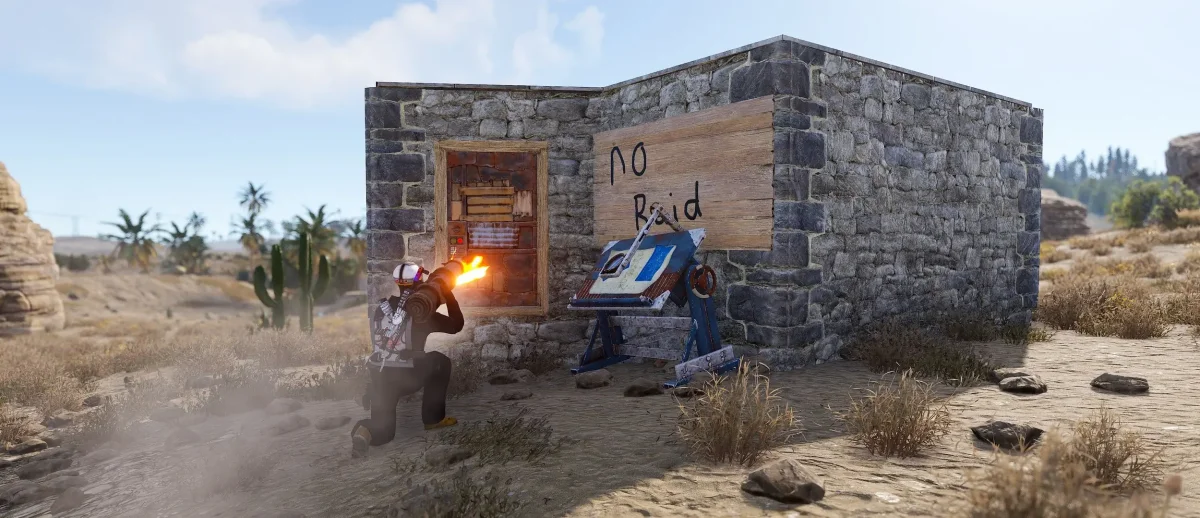
Why Do Players Use Rust Cheats?
The simplest answer is that they want the benefits of experience without going through the process of earning that experience.
Rust asks a lot from its players. You need mechanical skill, map awareness, patience, knowledge of monuments, an understanding of base design and the ability to stay calm when everything goes wrong.
Those skills take time.
A player who does not want to spend hundreds of hours learning the game may look for a shortcut instead. Cheats can appear to solve several problems at once. They may make fights feel easier, reduce uncertainty or help someone progress faster than they normally would.
That does not mean every cheater has exactly the same motivation. In fact, many of them probably begin for very different reasons.
Rust Makes Losing Feel Personal
A normal competitive game has a clear beginning and end. When the match finishes, everyone starts again from roughly the same position.
Rust is different because the match never truly resets until the wipe does.
A bad fight in the morning can affect what your group is able to do that evening. Losing a raid can delay progression for an entire day. If another group takes control of the closest monument, you may be forced to change how you play for the rest of the wipe.
This creates a kind of pressure that does not exist in most shooters.
You are not only asking:
"Can I win this fight?"
You are also thinking:
- What am I carrying?
- How long will it take to replace?
- What happens if they follow me home?
- Will they know where my base is?
That fear makes every encounter feel larger than it really is. For some players, the temptation to remove that uncertainty becomes difficult to ignore.
Fear of Losing Gear
Gear fear is common even among legitimate players.
You craft a strong kit, leave the base and immediately begin imagining all the ways you could lose it. Maybe someone is camping the road. Maybe a group is holding the monument. Maybe a player is waiting outside your base after hearing the door.
Rust encourages this kind of thinking because danger can come from almost anywhere.
Some players respond by becoming more careful. They learn safer routes, improve their awareness and become better at deciding when a fight is worth taking.
Others want a stronger sense of security.
For those players, the attraction is not always about becoming unstoppable. Sometimes they simply want to feel less exposed. They want to know what is around them before committing to a farming run, monument or raid.
The fear of losing progress can be just as powerful as the desire to win.
Skipping the Learning Curve
Rust can be brutal for new players.
Someone may watch an experienced player move through a monument, predict an enemy rotation or recognize a weak point in a base and assume it all looks easy.
What they do not see are the thousands of small lessons behind those decisions.
Experienced players know which areas are commonly camped. They notice sounds that newer players ignore. They understand how long it usually takes someone to return after dying. They know when a base is probably active and when a farming route is likely to be dangerous.
None of this knowledge appears overnight.
A newer player can spend hundreds of hours feeling one step behind everyone else. They may lose fights without understanding what happened or walk into situations that an experienced player would have avoided entirely.
For some people, that gap feels less like a challenge and more like a wall.
Cheating can then look like a way to skip the uncomfortable beginner stage and move directly into the part of the game where they feel powerful.
Playing Against Veterans
Rust has been around long enough that many servers are filled with players who know the game extremely well.
A person with fifty hours can end up fighting someone with five thousand.
That is an enormous difference.
The veteran player may have better aim, but the bigger advantage is often everything happening around the aim. They know when to push, when to wait and how to read the way an opponent moves. They can often predict where a player will run before that player has decided.
To someone new, this can look almost unfair.
After enough losses, a player may begin to think they will never catch up naturally. Instead of seeing experience as something they can build over time, they see it as an advantage they need to cancel out immediately.
That is when shortcuts become more appealing.

0 Comments
Recommended Comments
There are no comments to display.