The Dark Side of Competitive Rainbow Six Siege – The Cheating Problem

0

Exclusive cheats for your favorite games, offering premium features and reliable performance to level up your gameplay.


At its best, competitive Rainbow Six Siege is one of the most satisfying experiences in multiplayer gaming.
A round can be won by a perfect callout, a smart rotation, a well-timed piece of utility or one player staying calm under pressure. Aim matters, but so do patience, preparation and the ability to read what the other team is trying to do.
That is also why cheating hurts Siege more than it hurts many other shooters.
The game is built around limited information. Players are supposed to earn that information through drones, cameras, sound, communication and experience. When someone bypasses that process, the entire structure of the match starts to break.
It is not only about losing a gunfight to an unfair player.
Cheating affects Rank, damages trust between players and makes legitimate skill harder to recognize. After enough suspicious matches, people stop asking whether an opponent made a good play and start wondering what they were using.
That is where the real damage begins.
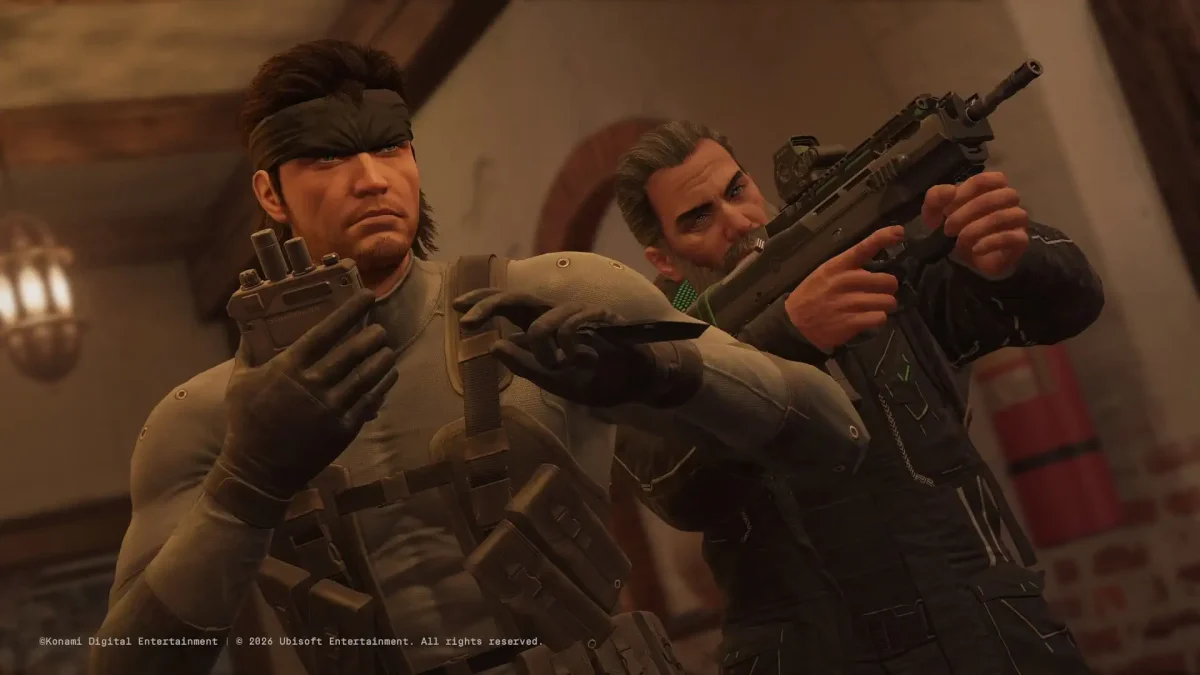
Rainbow Six Siege is a game of incomplete information.
You rarely know exactly where every defender is positioned. You do not always know whether a room is empty, whether someone is holding a pixel angle or whether a roamer has moved behind you.
Finding those answers is part of the game.
Attackers use drones. Defenders use cameras. Both sides listen for movement, share callouts and try to predict what the other team will do next.
A player with unfair information skips all of that.
They do not need to clear the map properly if they already know where everyone is. They do not need to take a risk when entering a room if they can see what is waiting inside.
That is why information-based cheating can be more damaging than obvious aim assistance.
A player does not need impossible accuracy when they are never caught by surprise.
One correct piece of information can completely change a Siege round.
Knowing that the final defender is hiding behind a particular piece of cover can save an attacker from checking five other positions. Knowing that a roamer is rotating through a staircase can turn an ambush into an easy kill.
Normally, that information has to come from somewhere.
A teammate may have seen the defender on a drone. A camera might have caught the rotation. Someone may have heard footsteps or identified a weapon sound.
Cheating removes the need for any of that work.
A player may know:
That advantage affects every decision they make.
They can avoid dangerous positions, push weak areas and appear to have perfect timing throughout the round.
From the outside, it may not look dramatic. The player may simply seem unusually confident.
In reality, they are making decisions with information they were never supposed to have.
Wallhacks are difficult to identify in Siege because the game already allows players to make impressive predictions.
A legitimate player can pre-fire through a wall after hearing movement. They may shoot through a floor because a teammate marked the position. They might check an unusual corner because they saw someone there during an earlier round.
That makes individual suspicious kills hard to judge.
A cheater can hide behind the same explanations.
They may avoid looking directly at an opponent through the wall. They may wait before firing to make the kill appear more natural. They can pretend to drone an area even though they already know exactly where the defender is standing.
The most revealing evidence is usually not one clip.
It is the pattern across several rounds.
Suspicious behavior may include:
Any one of these things can happen legitimately.
When they keep happening throughout the match, the situation becomes harder to explain.
Gunfights in Rainbow Six Siege are incredibly fast.
A single headshot can end an engagement immediately. There is often no extended exchange of damage and no opportunity to recover after being hit.
That makes artificial aim assistance especially powerful.
The most obvious forms are easy to notice. A crosshair may snap sharply between targets or lock onto a player with unnatural speed.
Not every form of assistance looks that extreme.
Some players use softer settings designed to keep their movement believable. Their aim still receives help, but the corrections may be smaller and less obvious.
This can lead to:
The difficulty is that strong Siege players can genuinely have exceptional mechanics.
Years of experience can produce fast reactions, clean recoil control and excellent crosshair placement.
That is why one impressive kill is not enough to prove anything.
Scratch the card below to reveal your exclusive coupon code.