
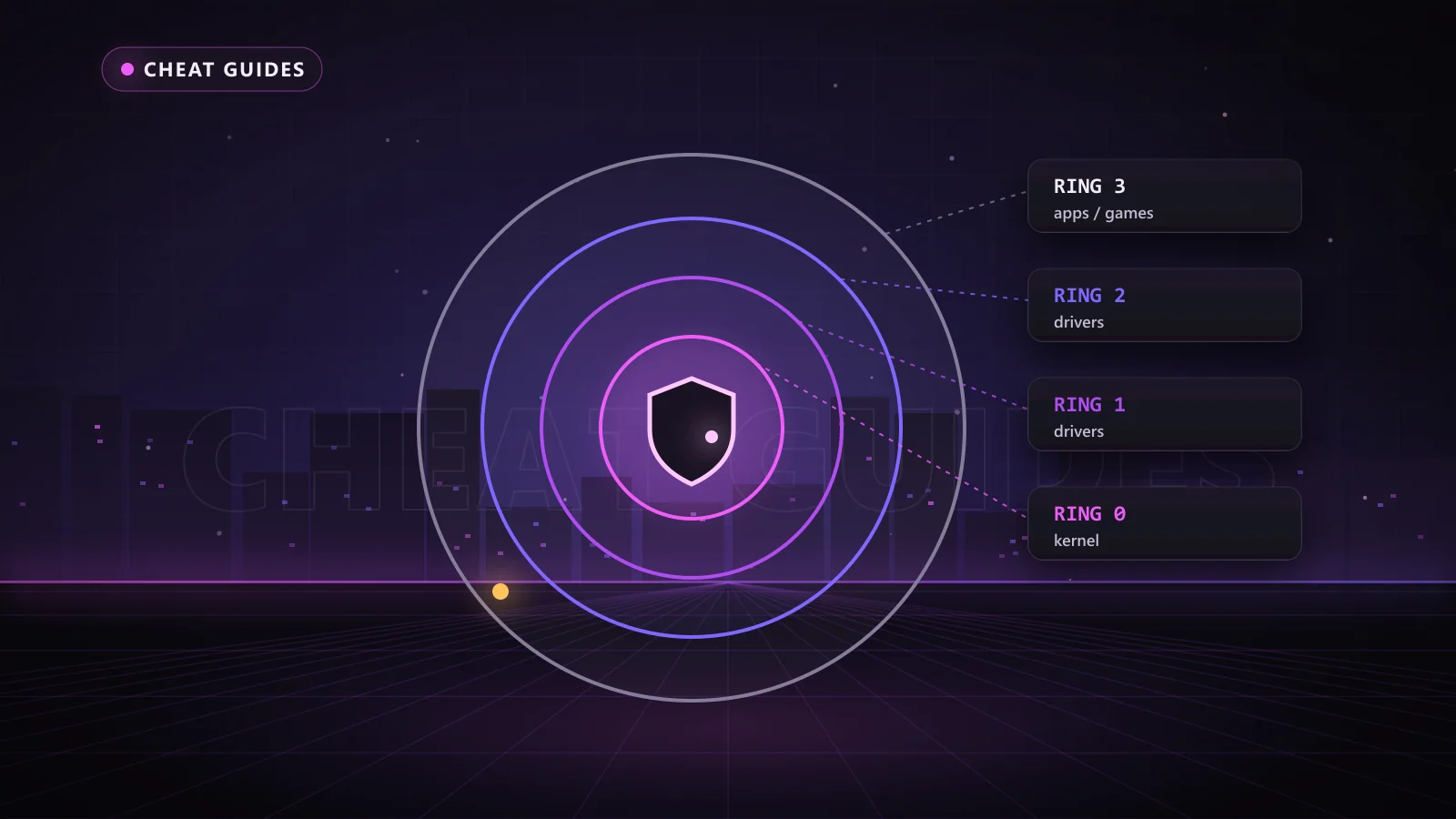
Ring-1 cheats, Ring 0 cheats, kernel-level, user-mode: if you have shopped for cheats in games like Rainbow Six Siege, you have seen these labels everywhere. Search for "ring-1 r6" and you will find dozens of products claiming to run deeper than the anti-cheat. But what do the rings actually mean, and should the label change what you buy?
This guide explains CPU protection rings in plain words, shows where cheats and anti-cheat systems sit, and explains why "Ring-1" is mostly a marketing term. Then it points you to what really matters when you choose a product, with real Chams options for R6, Valorant and more.
Key Takeaways
- Protection rings are privilege levels built into x86 processors. Lower numbers mean more control over the system.
- Windows uses only two of them: Ring 0 (kernel mode) and Ring 3 (user mode).
- "Ring-1" usually refers to hypervisor-level code that sits below the kernel, but sellers use it loosely.
- DMA cheats sit outside the rings entirely, because they run on a different computer.
- Features, update speed and live status tell you more about a product than its ring label.
What Are CPU Protection Rings?
Modern processors separate code into privilege levels called rings. The idea is simple: the most trusted code gets the most power, and everything else is kept in a sandbox where it cannot break the system.
Picture a set of circles. The center circle, Ring 0, has full control of the hardware. The outer circle, Ring 3, is where ordinary applications run with limited permissions. When an app needs something sensitive, like reading another program's memory, it has to ask the kernel.
Ring 0, Ring 1, Ring 2 and Ring 3 at a Glance
| Level | Common name | What runs there | Cheat context |
|---|---|---|---|
| Ring 3 | User mode | Games, browsers, normal apps | User-mode cheats and many externals |
| Ring 2 and Ring 1 | Unused on Windows | Nothing on a standard Windows PC | Not used in practice |
| Ring 0 | Kernel mode | The Windows kernel and drivers, including anti-cheat drivers | Kernel cheats and driver-based externals |
| "Ring -1" | Hypervisor | Virtualization layers that sit below the operating system | Hypervisor-based cheats, and a popular marketing label |
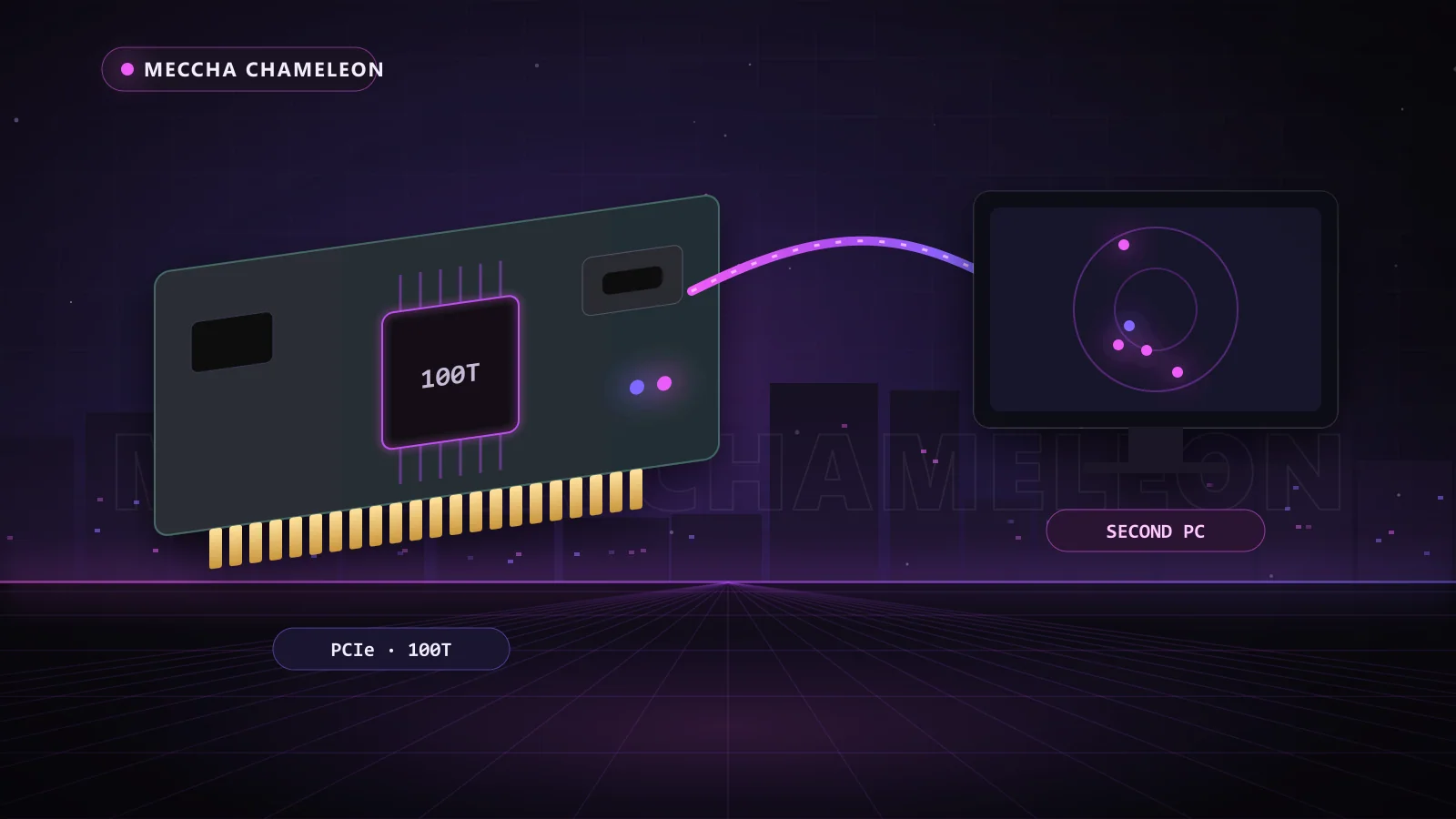
| Outside the PC | Separate hardware | A second computer reading memory through a PCIe card | DMA cheats |
Windows was designed to use only Ring 0 and Ring 3, which is why Rings 1 and 2 are effectively empty on a gaming PC.
What Is a Ring 3 Cheat?
A Ring 3 cheat runs in user mode, just like the game. It uses the same permissions any app has, so it relies on standard Windows features to read memory or draw an overlay. User-mode cheats are simpler to build but are easier for kernel-level anti-cheat to see, because the anti-cheat sits one level below them.
What Is a Ring 0 or Kernel Cheat?
A Ring 0 cheat uses a kernel driver. That puts it at the same privilege level as the anti-cheat's own driver, so it can read and write game memory without going through user-mode doors. Many modern externals work this way: the menu and overlay run in user mode, while a driver does the memory work.
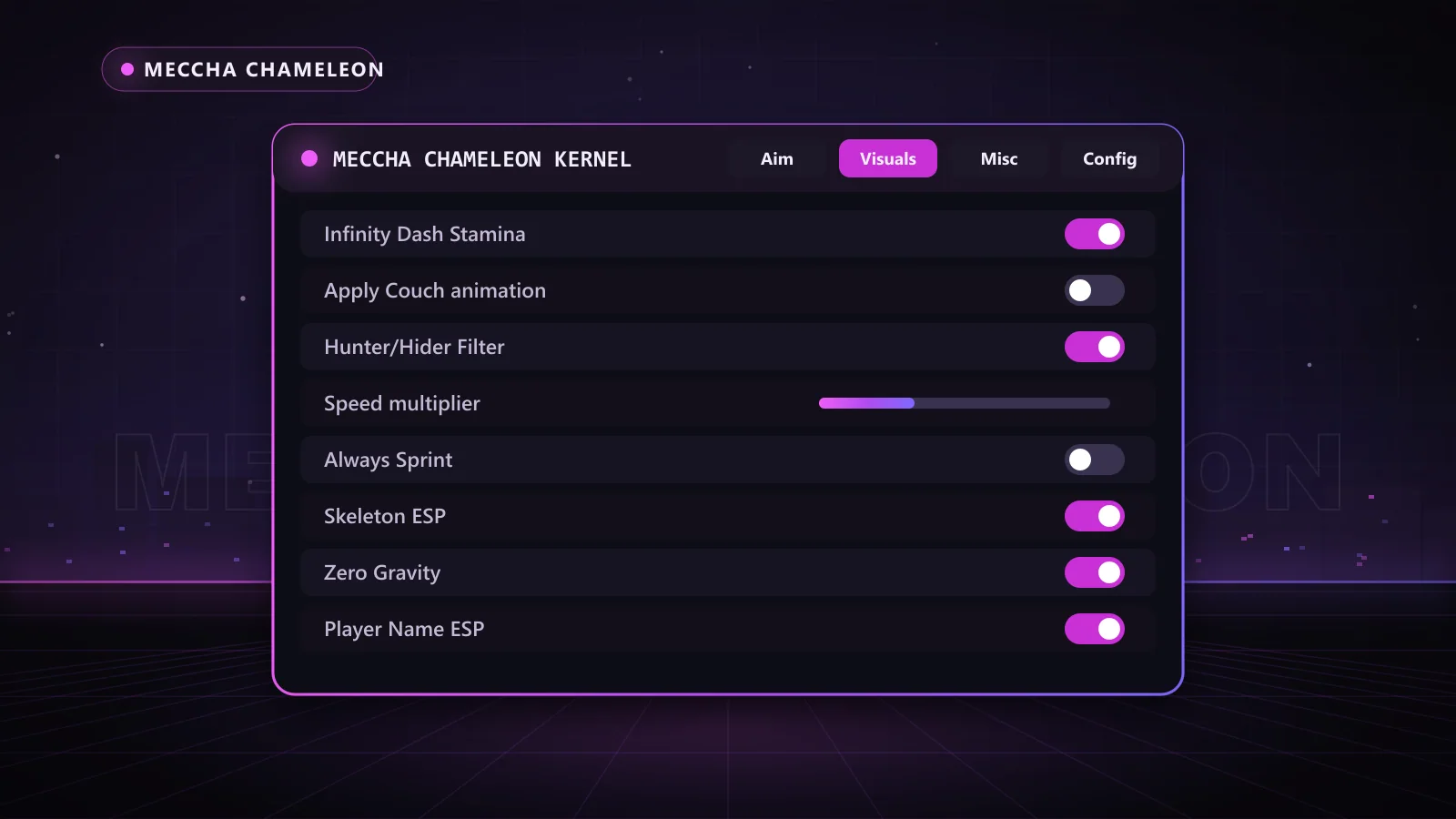
Chams carries kernel-based products for several games. Meccha Chameleon Kernel, for example, delivers player name, skeleton, box and snapline ESP with a hunter and hider filter, plus movement and stamina features. For a broader look at how process location affects features, see our guide to internal vs external cheats.
What Are Ring-1 Cheats?
In computing, "Ring -1" is the informal name for the hypervisor level. A hypervisor is the layer that runs virtual machines, and because it sits below the operating system, it can watch and control what the kernel does. A true hypervisor-based cheat uses virtualization features in your CPU to run beneath Windows, which in theory puts it below a kernel anti-cheat.
In practice, Ring-1 cheats are a mixed bag. Some products really do use a hypervisor. Others use the label loosely to mean "deeper than kernel" or "very hard to see." You will even see DMA products called Ring-1, even though DMA does not run on the gaming PC's CPU at all.
Why "Ring-1" Is Mostly a Marketing Term
The label sounds technical, which is exactly why it sells. But it tells you very little about the product you are buying:
- It is not standardized: two products both called Ring-1 can work in completely different ways.
- Depth is not everything: a deeper position does not fix weak features, slow updates or careless aim settings.
- Anti-cheat adapts: anti-cheat systems look for virtualization tricks too, and they keep improving.
- Gameplay still counts: reports and server-side checks look at how you play, not where the cheat runs.
When you see "ring-1 r6" or similar, look past the label and check the feature list, how quickly the product updates after patches, and its current status.
Where Do DMA Cheats Fit?
DMA sits outside the ring model entirely. A PCIe card reads the gaming PC's memory and sends it to a second computer, which runs the cheat. Nothing runs at Ring 3, Ring 0 or Ring -1 on the gaming PC, so the conversation shifts to how the card presents itself, which is the job of its firmware.
Want to skip the ring debate entirely? For R6 players, R6 Ice DMA is the hardware route: a vischecked aimbot with aim key, bone, smoothing and FOV controls, plus box and skeleton ESP, health text and bars and head dots, optimized for all DMA cards and aimbot devices. Keys come in 1 Day, 1 Week and 1 Month lengths. Valorant players should pair DMA with the 1:1 Custom FW for EAC, BattlEye, ACE and VGK, which covers Riot Vanguard.
How the Rings Shape What a Cheat Can Do
The ring a cheat uses affects its toolkit more than its quality. Here is how that plays out in practice:
- User-mode (Ring 3) tools are best at reading and drawing. Color-based aim tools and simple overlays live here, and some pair with hardware input devices so the aim itself arrives as real mouse movement.
- Kernel-assisted (Ring 0) tools can read and write memory directly, which opens up features such as memory aim and silent aim, weapon tweaks and deeper ESP options.
- Hypervisor-based tools marketed as Ring-1 cheats aim to hide the cheat from the kernel itself. The features they offer are often similar to kernel products; the difference is where the code sits.
- DMA tools mostly read, then send aim through an input device such as a Makcu, which keeps everything off the gaming PC.
So the right question is not which ring is deepest, but which approach delivers the features you want in the game you play, with the update speed to keep it running.
Where Does Anti-Cheat Run?
Most major anti-cheats now include a kernel driver at Ring 0, alongside user-mode components:
- Riot Vanguard (Valorant) loads its kernel driver when Windows starts.
- BattlEye (Rainbow Six Siege, DayZ, Escape from Tarkov) uses a kernel driver while the game runs.
- Easy Anti-Cheat (Apex Legends, Rust, Fortnite) also uses a kernel driver while the game runs.
Because anti-cheat runs at Ring 0, a cheat at the same level is in a constant back-and-forth with it. That is why update speed matters so much. Chams products are built and updated with each game's anti-cheat in mind, and the status page shows the live status of every product. Want the full picture on Valorant's system? Read our guide to how Riot Vanguard works.
What Matters More Than the Ring Label
- The feature set: does it have the aim controls, ESP and visibility checks you want?
- Update speed: how quickly does it return after a game patch?
- Live status: is there a public status page you can check before playing?
- Hardware options: is there a DMA route and an HWID spoofer if you want extra layers?
- Support: can you reach a real team when something does not work?
R6 players who want a strong software option can start with R6 Vega: an aimbot with crosshair and distance filters, smoothing, FOV, distance check and multipoint bones, plus skeleton, player box, head marker, names, distance and gadget tracking. It comes in 1 Day, 3 Day, 1 Week and 1 Month keys.
Why Choose Chams
- Software and hardware routes: kernel-based products, externals and full DMA rigs.
- Frequent updates: products maintained as games and anti-cheats change.
- Live status page: see the current state of every product before you play.
- HWID spoofer options: protect your hardware identity alongside any product.
- Flexible keys: day, week and month options, delivered automatically right after payment.
Frequently Asked Questions
What does Ring-1 mean in cheats?
It usually means hypervisor-level code that runs below the Windows kernel. Many sellers use it loosely, so check how the product actually works.
Is Ring 0 the same as kernel level?
Yes. Ring 0 is kernel mode, where Windows and its drivers, including anti-cheat drivers, run.
Are Ring-1 cheats better than kernel cheats?
Not automatically. The ring label matters less than features, updates and status. A well-maintained kernel or DMA product can outperform a poorly maintained hypervisor one.
Why does Windows not use Ring 1 and Ring 2?
Windows was designed around two levels, kernel and user mode, so the middle rings are left unused.
What anti-cheat does R6 use?
Rainbow Six Siege uses BattlEye, which includes a kernel-level driver.
Skip the Labels, Pick What Performs
Ring numbers make great marketing, but results come from features, updates and the right hardware. Browse every option on the Rainbow Six Siege cheats page, or go hardware-first with R6 Ice DMA and a full DMA rig.